Die wichtigsten Erkenntnisse:
- Opportunity Mapping gibt aufstrebenden Franchise-Marken eine realistische Einschätzung ihres gesamten adressierbaren Marktes, bevor sie sich auf bestimmte Gebiete festlegen
- Eine effektive Methodik zur Gebietsplanung vereint demografische Passung, Nachfragesignale, Wettbewerbsdichte und operative Machbarkeit in einem einzigen geografischen Bild
- Marktbewertung auf Postleitzahlebene verhindert den häufigen Fehler, das Potenzial in attraktiv klingenden Regionen zu überschätzen, die nicht das richtige Kundenprofil aufweisen
- Ein Priorisierungsrahmen hilft Franchise-Entwicklungsteams, begrenzte Ressourcen auf Regionen mit der höchsten Erfolgswahrscheinlichkeit zu konzentrieren
- Datengestützte Gebietsplanung schafft Glaubwürdigkeit bei potenziellen Franchisenehmern, Kreditgebern und Investoren, die Belege hinter den Expansionsplänen sehen möchten
Wenn eine Franchise-Marke in ihren Anfängen steckt, prägt eine Frage nahezu jede Entscheidung: Wie groß ist unsere Chance, und wo sollten wir zuerst ansetzen?
In Gesprächen mit neuen Franchise-Teams hören wir diese Frage immer wieder. Sie möchten verstehen, wie viele tragfähige Standorte landesweit existieren, wo die Nachfrage am wahrscheinlichsten ist und welche Regionen frühzeitig Aufmerksamkeit verdienen. Sie suchen keine komplexen Analyseplattformen oder monatelange Beratungsprojekte. Sie wollen einen fundierten, klaren Überblick über ihren Markt, den sie nutzen können, um ihre erste Expansionswelle mit Zuversicht zu planen.
Opportunity Mapping beantwortet genau diese Fragen. Es übersetzt Ihre Markenkriterien, Ihr Kundenprofil und Ihre Wettbewerbsrealität in ein geografisches Bild davon, wo Ihr Konzept passt -- und wo nicht.
Warum aufstrebende Franchise-Marken Opportunity Mapping brauchen
Die Herausforderung in der Frühphase
Die meisten aufstrebenden Franchise-Marken stehen vor einem Paradoxon. Sie müssen Marktpotenzial demonstrieren, um Franchisenehmer und Investoren zu gewinnen, verfügen aber nicht über die Standorthistorie und Leistungsdaten, die etablierte Marken für ihre Expansion nutzen. Das Ergebnis ist oft eine Mischung aus Gründerintuition, anekdotischem Marktwissen und optimistischen Annahmen darüber, wo die Marke funktionieren könnte.
Dieser Ansatz birgt echte Risiken. Die Wahl der falschen Regionen für Ihre ersten Franchise-Standorte kann die Dynamik bremsen, Kapital verbrennen und den Ruf der Marke bei frühen Anwendern beschädigen. Umgekehrt schaffen starke Anfangsmärkte ein Fundament erfolgreicher Einheiten, das die Gewinnung künftiger Franchisenehmer deutlich erleichtert.
Was Opportunity Mapping tatsächlich leistet
Opportunity Mapping ist der Prozess, Ihre zentralen Kundenkriterien und Nachfrageindikatoren in eine geografische Analyse zu übersetzen, die zeigt, wo Ihr Konzept am wahrscheinlichsten erfolgreich sein wird. Es ist keine theoretische Übung oder ein Marktforschungsbericht, der in der Schublade verschwindet. Es ist ein Arbeitsinstrument, das konkrete Fragen beantwortet:
- Wie viele tragfähige Standorte existieren landesweit für Ihr Format?
- Welche Regionen weisen die stärkste Übereinstimmung zwischen Ihrem Kundenprofil und der lokalen Demografie auf?
- Wo ist die Wettbewerbsdichte niedrig genug, um einen neuen Marktteilnehmer zu tragen?
- Welche Märkte bieten die beste Kombination aus Nachfragesignalen und operativer Machbarkeit?
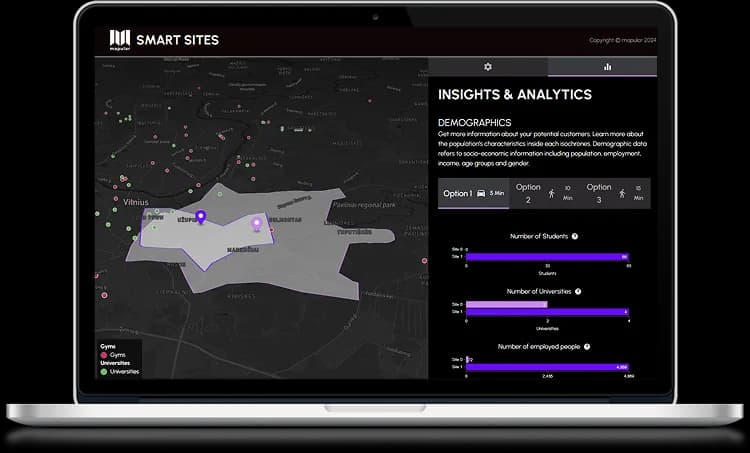
Das Ergebnis ist eine Karte, keine Tabelle. Sie zeigt Ihren gesamten adressierbaren Markt visuell, mit Regionen, die nach Opportunitätsstärke bewertet und farblich kodiert sind. Damit ist sie sofort nützlich für Gespräche zur Gebietsplanung, Franchise-Rekrutierung und Investorendiskussionen.
Methodik der Gebietsplanung: Ein schrittweiser Ansatz
Effektives Opportunity Mapping folgt einer strukturierten Methodik, die von der breiten Marktdefinition bis zu konkreten Gebietsempfehlungen reicht.
Schritt 1: Definieren Sie Ihre Nachfragekriterien
Bevor Sie eine Geografie analysieren, brauchen Sie Klarheit darüber, was einen Markt für Ihr Konzept tragfähig macht. Das beginnt mit Ihrem Kundenprofil und übersetzt es in messbare Kriterien:
- Bevölkerungsschwellen innerhalb eines definierten Einzugsgebiets
- Altersverteilung, die Ihrer Zielgruppe entspricht
- Haushaltseinkommensspannen, die zu Ihrem Preisniveau passen
- Haushaltszusammensetzung, die für Ihr Angebot relevant ist (Familien, Singles, Senioren)
- Präferenzen für städtische, vorstädtische oder gemischte Umgebungen
Diese Kriterien werden zu den Filtern, die tragfähige Märkte von nicht tragfähigen trennen. Präzision ist hier wichtig. Ein Fitness-Franchise, das junge Berufstätige anspricht, hat grundlegend andere Kriterien als ein Kinder-Bildungs-Franchise, das Familien mit schulpflichtigen Kindern adressiert.
Schritt 2: Erreichbarkeit und kommerziellen Kontext einbeziehen
Demografie sagt Ihnen, wer in einem Gebiet lebt. Erreichbarkeit und kommerzieller Kontext sagen Ihnen, wie Menschen mit diesem Gebiet interagieren.
- Fahrzeit-Einzugsgebiete zeigen, wie weit Kunden realistisch reisen werden, um Ihren Standort zu erreichen
- Points of Interest enthüllen den kommerziellen Charakter eines Gebiets -- ob es sich um ein Gastronomiequartier, eine Einkaufsstraße oder ein Büro-Cluster handelt
- Ankermieter und komplementäre Geschäfte zeigen an, ob die richtige Art von Laufkundschaft bereits durch das Gebiet fließt
Diese Ebene verwandelt rohe demografische Daten in ein Bild der realen Tragfähigkeit. Eine Region mag auf dem Papier das perfekte Kundenprofil aufweisen, aber wenn es an zugänglicher kommerzieller Infrastruktur mangelt, ist die Chance eher theoretisch als praktisch.
Schritt 3: Die Wettbewerbslandschaft kartieren
Das Verständnis davon, wo Wettbewerber bereits tätig sind, ist für aufstrebende Marken essenziell. Wettbewerbskartierung dient zwei Zwecken: Sie offenbart Gebiete, in denen die Marktnachfrage bestätigt, aber möglicherweise gesättigt ist, und sie hebt Lücken hervor, in denen Nachfrage bestehen könnte, aber derzeit unterversorgt ist.
Für aufstrebende Franchise-Marken kann moderate Wettbewerbspräsenz tatsächlich ein positives Signal sein. Sie bestätigt, dass der Markt die Kategorie trägt. Die entscheidende Frage ist, ob Platz für ein weiteres Konzept besteht und ob Ihre Differenzierung stark genug ist, um Marktanteile zu gewinnen.
Für einen tieferen Einblick in die Nutzung geografischer Daten zur Bewertung der Wettbewerbsposition lesen Sie unseren Leitfaden zu Consumer Analytics im Einzelhandel, der beschreibt, wie Sie Wettbewerbsintelligenz in Ihre Analyse einbinden.
Schritt 4: Regionen bewerten und priorisieren
Mit kartierter demografischer Passung, Erreichbarkeitskontext und Wettbewerbsdichte folgt als nächstes die Bewertung. Jedes potenzielle Gebiet erhält einen zusammengesetzten Score basierend darauf, wie gut es Ihren Kriterien über alle Dimensionen hinweg entspricht.
Scoring erstellt eine Rangliste der Gebiete, doch rohe Scores allein bestimmen nicht die Prioritäten. Praktische Faktoren zählen ebenfalls:
- Nähe zu bestehenden Betrieben oder dem Heimatmarkt des Gründers (wichtig für frühphasige Unterstützung)
- Verfügbarkeit geeigneter Immobilien zu akzeptablen Preisen
- Regulatorisches Umfeld und Franchise-Registrierungsanforderungen
- Vorhandensein starker Franchise-Kandidatennetzwerke in der Region
Die Kombination aus analytischen Scores und praktischer Machbarkeit ergibt eine priorisierte Gebiets-Roadmap, die Chancen mit der Umsetzungsrealität in Einklang bringt.
Datenquellen, die Franchise Opportunity Mapping antreiben
Demografische und sozioökonomische Daten
Zensusdaten und kommerzielle Demografieanbieter liefern die Grundlage: Bevölkerung, Alter, Einkommen, Bildung und Haushaltszusammensetzung auf Postleitzahl- oder Zensusgebietebene. Für Franchise-Marken sind Kaufkraftindizes besonders wertvoll, weil sie Einkommensdaten gegen die lokalen Lebenshaltungskosten normieren und so ein genaueres Bild der verfügbaren Kaufkraft liefern.
Points of Interest und Geschäftsaktivität
POI-Datenbanken zeigen, welche Unternehmen in einem Gebiet tätig sind -- von Restaurants und Fitnessstudios bis hin zu Arztpraxen und Einzelhandelsgeschäften. Diese Daten helfen Ihnen, das kommerzielle Ökosystem rund um potenzielle Standorte zu verstehen und die Arten von Ankermietern oder Co-Mietern zu identifizieren, die mit dem Erfolg Ihres Formats korrelieren.
First-Party-Signale
Selbst Franchise-Marken in der Frühphase verfügen über First-Party-Daten, die das Opportunity Mapping informieren können. Website-Traffic nach Geografie, Herkunft von Franchise-Anfragen, Social-Media-Engagement nach Region und alle direkten Verbrauchernachfragesignale tragen zum Verständnis bei, wo bereits organisches Interesse besteht.
Wettbewerber-Standortdaten
Die Kartierung von Wettbewerberstandorten -- sowohl direkte Wettbewerber als auch Anbieter in angrenzenden Kategorien -- offenbart die Marktstruktur. In Kombination mit Ihren demografischen Kriterien helfen diese Daten, zwischen unterversorgten und übersättigten Märkten zu unterscheiden.
Für Marken, die noch tiefer in die Gebietsbewertung auf Postleitzahlebene einsteigen möchten, behandelt unser Beitrag zu Postleitzahl-Insights für Franchise-Gebietsplanung, wie Sie Gebietsberichte erstellen, die Gespräche zur Franchisenehmer-Rekrutierung unterstützen.
Marktbewertung: Vom nationalen Potenzial zu umsetzbaren Gebieten
Berechnung Ihres gesamten adressierbaren Marktes
Eines der wertvollsten Ergebnisse des Opportunity Mappings ist eine glaubwürdige Schätzung des Total Addressable Market (TAM). Für Franchise-Marken bedeutet dies: Wie viele Standorte könnte dieses Konzept realistisch landesweit tragen?
Die Berechnung funktioniert, indem Ihre Nachfragekriterien auf jede Postleitzahl oder jedes Zensusgebiet national angewendet werden und tragfähige Gebiete dann zu potenziellen Einzugsgebieten geclustert werden, basierend auf den Einzugsanforderungen Ihres Formats. Das Ergebnis ist keine vage Marktgrößenschätzung. Es ist eine konkrete Anzahl potenzieller Standorte, verankert in geografischer Realität.
Vom TAM zu den Zielen der ersten Welle
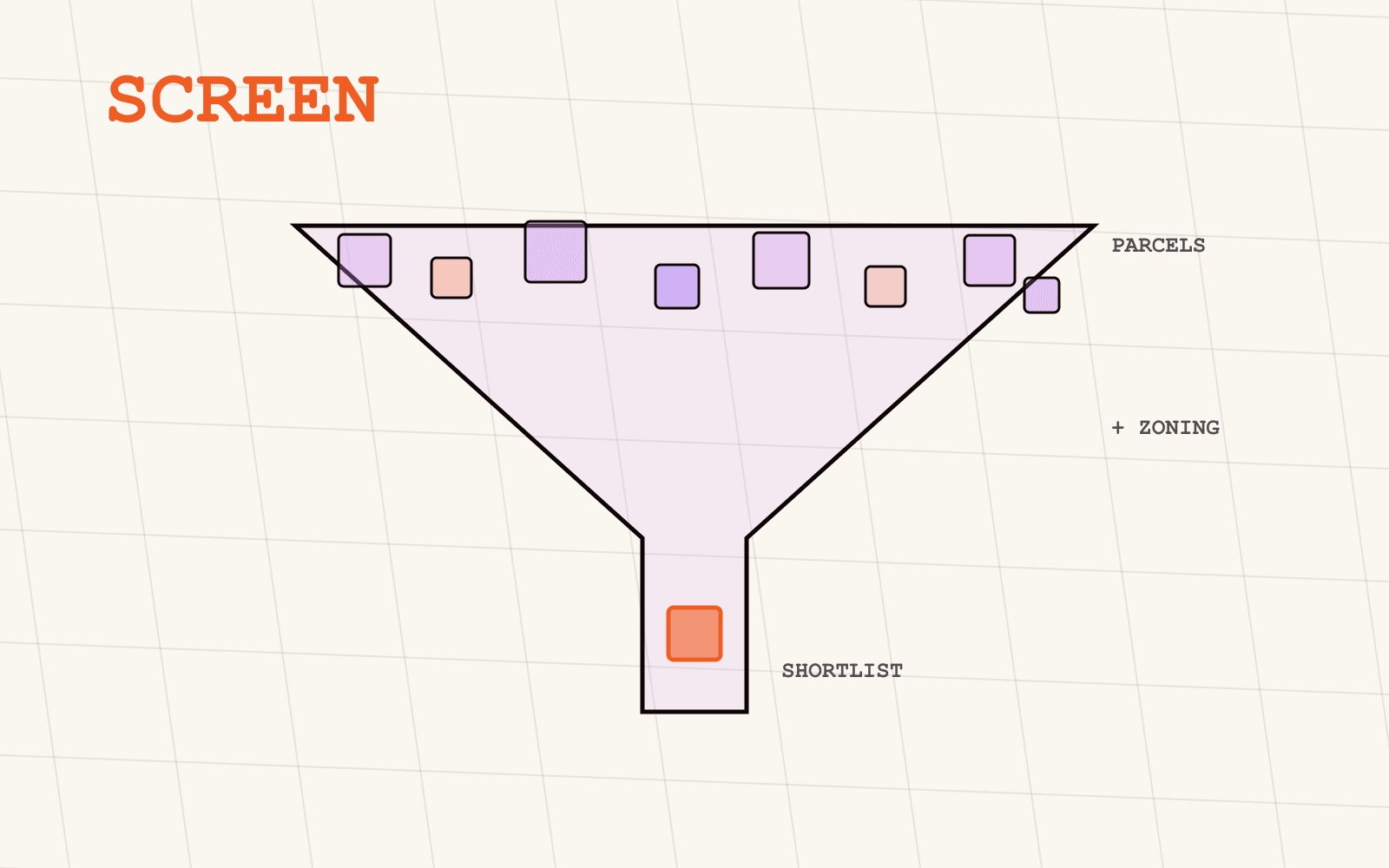
Ein nationaler TAM mag 800 potenzielle Standorte aufzeigen, aber eine aufstrebende Marke kann nicht alle gleichzeitig verfolgen. Das Priorisierungsrahmenwerk verengt den Fokus auf eine handhabbare erste Welle -- typischerweise 10 bis 30 Gebiete, die die Chancen mit der höchsten Zuversicht repräsentieren.
Ziele der ersten Welle sollten drei Faktoren ausbalancieren:
- Opportunitätsstärke (die am höchsten bewerteten Gebiete aus Ihrer Analyse)
- Operative Machbarkeit (Regionen, in denen Sie neuen Franchisenehmern angemessene Unterstützung bieten können)
- Strategische Signalwirkung (Märkte, in denen frühe Erfolge Sichtbarkeit erzeugen und künftige Franchise-Kandidaten anziehen)
Marktbewertung in der Franchise-Entwicklung einsetzen
Eine gut dokumentierte TAM-Analyse bedient mehrere Zielgruppen. Für Franchise-Entwicklungsteams bietet sie eine glaubwürdige Geschichte über langfristiges Wachstumspotenzial. Für potenzielle Franchisenehmer zeigt sie, dass die Marke ihre Hausaufgaben zur Markttragfähigkeit gemacht hat. Für Kreditgeber und Investoren liefert sie evidenzbasierte Prognosen statt ambitionierter Zielwerte.
Priorisierungsrahmen für frühe Expansion
Die Vertrauens-Machbarkeits-Matrix
Ein praktischer Priorisierungsansatz ordnet Gebiete auf zwei Achsen an: analytische Zuversicht (wie stark die Daten die Chance stützen) und Umsetzungsmachbarkeit (wie praktisch realisierbar es ist, dort einen Standort zu eröffnen und zu betreuen).
Gebiete, die auf beiden Dimensionen hoch abschneiden, sind Ihre Prioritäten für die erste Welle. Gebiete mit hoher Zuversicht, aber geringerer Machbarkeit werden zu Zielen der zweiten Welle, wenn Ihre operative Kapazität wächst. Gebiete mit geringerer Zuversicht, aber hoher Machbarkeit rechtfertigen möglicherweise weitere Untersuchungen -- etwa gezielte Marketingtests oder Verbraucherumfragen -- bevor Ressourcen gebunden werden.
Häufige Priorisierungsfehler vermeiden
Aufstrebende Franchise-Marken machen häufig mehrere Priorisierungsfehler:
- Gebiete werden danach gewählt, wo die Gründer leben möchten, statt wohin die Daten zeigen
- Große Metropolregionen werden priorisiert, weil sie prestigeträchtig erscheinen, obwohl kleinere Märkte bessere Unit Economics bieten
- Die Expansion wird zu dünn über zu viele Regionen verteilt, statt zunächst Dichte in weniger Märkten aufzubauen
- Die operativen Kosten der Betreuung geografisch verstreuter frühen Standorte werden ignoriert
Die besten Frühphasen-Franchise-Strategien priorisieren oft regionales Clustering -- den Aufbau einer kritischen Masse erfolgreicher Einheiten in benachbarten Gebieten, bevor in neue Geografien expandiert wird. Dieser Ansatz senkt die Betreuungskosten, stärkt die lokale Markenbekanntheit und schafft die Art von sichtbarem Erfolg, der weitere Franchisenehmer anzieht.
Für einen umfassenden Blick darauf, wie standardisierte Standortbewertungsprozesse dieses disziplinierte Wachstum unterstützen, lesen Sie unseren Leitfaden zu Best Practices der Standortwahl für Franchise-Wachstum.
Ein fundierter Weg, Ihre erste Expansionswelle zu planen
Für aufstrebende Franchise-Marken prägen frühe Entscheidungen langfristige Ergebnisse. Die Wahl der falschen Regionen kann die Dynamik bremsen und das Vertrauen untergraben, während die Wahl der richtigen ein Fundament schafft, das sich über die Zeit potenziert.
Opportunity Mapping unterstützt diese kritische Phase mit:
- Einer realistischen Sicht auf Ihr gesamtes Marktpotenzial, gestützt auf Daten statt auf Annahmen
- Einer strukturierten Methodik zur Bewertung und zum Vergleich von Gebieten anhand einheitlicher Kriterien
- Einer priorisierten Roadmap, die analytische Erkenntnisse mit operativer Realität in Einklang bringt
- Einer glaubwürdigen Darstellung für Franchise-Rekrutierung, Investorengespräche und strategische Planung
Fazit
Opportunity Mapping soll unternehmerisches Urteilsvermögen nicht durch Algorithmen ersetzen. Es geht darum, Franchise-Gründern und Entwicklungsteams einen klareren Ausgangspunkt zu geben, damit ihr Urteilsvermögen auf die richtige Auswahl an Optionen angewendet wird.
Die Marken, die am erfolgreichsten skalieren, sind diejenigen, die Ambition mit Disziplin verbinden. Sie kennen ihren Gesamtmarkt, verstehen, welche Gebiete am besten zu ihrem Konzept passen, und planen ihre Expansion auf Basis von Evidenz statt allein auf Enthusiasmus.
Wenn Sie Ihr Marktpotenzial und den ROI Ihrer frühen Expansion verstehen möchten, buchen Sie ein Gespräch mit unserem Team, um zu erfahren, wie Opportunity Mapping Ihre nächste Phase des Franchise-Wachstums unterstützen kann.