Die wichtigsten Erkenntnisse:
- Analysen auf Postleitzahlenebene bieten die Granularität, die Franchise-Marken benötigen, um Gebiete präzise zu bewerten -- statt sich auf breite Annahmen auf Metropolebene zu verlassen
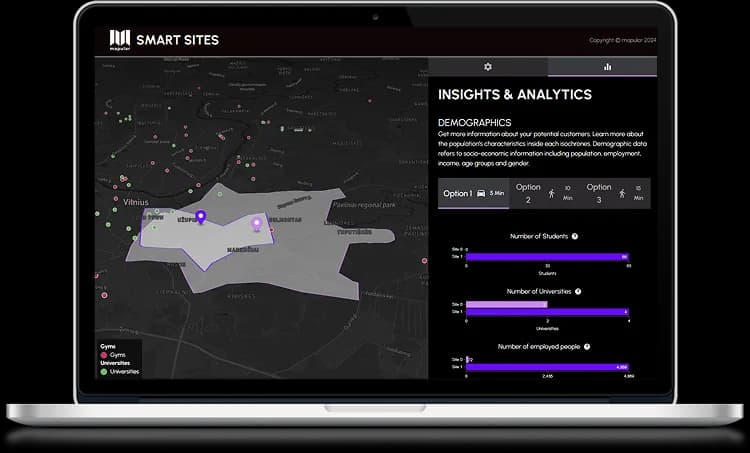
- Demografische Overlays wie Bevölkerungsdichte, Einkommensprofile und Altersverteilung zeigen, ob ein bestimmtes Gebiet zum idealen Kunden des Franchise-Konzepts passt
- Nachfragesignale aus Online-Verhalten, Store-Locator-Suchen und Werbe-Engagement liefern eine Ebene realer Validierung jenseits statischer Zensusdaten
- Gebietsbewertungssysteme, die mehrere Datendimensionen kombinieren, schaffen konsistente, vergleichbare Bewertungen über Regionen und Teammitglieder hinweg
- Wettbewerbsdichteanalysen auf Postleitzahlenebene identifizieren sowohl gesättigte Märkte, die es zu meiden gilt, als auch unterversorgte Gebiete, in denen Neueinsteiger einen klaren Vorteil haben
Sobald ein Franchise-Unternehmen die Wachstumsphase erreicht, ändert sich das Gespräch. Es geht nicht mehr darum zu beweisen, dass das Konzept funktioniert. Es geht darum, Franchisenehmern zu helfen, fundierte Gebietsentscheidungen zu treffen, einen transparenten Bewertungsprozess zu schaffen und diesen Prozess konsistent über jede Region hinweg zu skalieren.
In Gesprächen mit wachsenden Franchise-Marken taucht immer wieder ein Muster auf. Franchisenehmer wollen verstehen, warum ein Gebiet funktioniert. Sie wünschen sich Klarheit und zuverlässige Informationen darüber, wer in der Gegend lebt, wie das Einkommens- und Ausgabenprofil aussieht, welcher Wettbewerb existiert und wie das Gebiet im Vergleich zu anderen im Netzwerk abschneidet. Bauchgefühl und allgemeine Marktbeschreibungen reichen nicht aus für jemanden, der eine sechsstellige Investitionsentscheidung trifft.
Hier werden Postleitzahlen-Insights unverzichtbar. Sie bringen die Gebietsbewertung auf die Ebene, auf der echte Muster entstehen und echte Entscheidungen getroffen werden.
Warum Analysen auf Postleitzahlenebene wichtig sind
Die Grenzen des Denkens auf Metropolebene
Viele Franchise-Marken bewerten Märkte auf Metro- oder MSA-Ebene. Sie identifizieren Zielstädte und arbeiten dann daran, Standorte irgendwo innerhalb dieser Städte zu platzieren. Dieser Ansatz hat einen grundlegenden Fehler: Metropolregionen sind riesig und intern sehr unterschiedlich. Die Demografie, Wettbewerbslandschaft und das Verbraucherverhalten in einer Postleitzahl können sich radikal von einer anderen Postleitzahl zehn Minuten entfernt unterscheiden.
Eine Betrachtung auf Metropolebene mag Ihnen sagen, dass Dallas ein starker Markt ist. Sie kann Ihnen aber nicht sagen, ob die Chance in den nördlichen Vororten, im Stadtkern oder im südöstlichen Korridor liegt. Die Postleitzahlenanalyse liefert diese Präzision.
Was die Granularität auf Postleitzahlenebene offenbart
Wenn Sie Gebiete auf Postleitzahlenebene bewerten, werden Muster sichtbar, die auf hoheren geografischen Ebenen unsichtbar sind:
- Bereiche mit hoher Kaufkraft, umgeben von Gebieten mit mittlerem Einkommen
- Cluster Ihrer Zielgruppe (nach Alter, Haushaltszusammensetzung oder Lebensstilindikatoren), die nicht mit den breiten Metro-Durchschnitten übereinstimmen
- Wettbewerbslücken, in denen Nachfrage existiert, aber kein direkter Wettbewerber innerhalb einer zumutbaren Fahrzeit operiert
- Geschäftskorridore mit starker Kundenfrequenz und ergänzenden Ankergeschäften
- Übergangszonen, in denen neue Wohnbebauung eine aufkommende Nachfrage erzeugt, die etablierte Wettbewerber noch nicht bedient haben
Diese Mikromuster sind es, die über Franchise-Gebietsentscheidungen entscheiden. Die Marke, die einen Cluster mit hohem Potenzial vor den Wettbewerbern identifiziert, sichert sich einen dauerhaften lokalen Vorteil.
Demografische Overlays: Verstehen, wer im Gebiet lebt
Bevölkerungs- und Dichteanalyse
Die Grundlage jeder Gebietsbewertung ist das Verständnis der Bevölkerung im Einzugsgebiet. Postleitzahlendaten liefern:
- Gesamtbevölkerung und Bevölkerungswachstumstrends
- Bevölkerungsdichte, die Sichtbarkeit, Kundenfrequenz und Marketingeffizienz beeinflusst
- Tages- versus Wohnbevölkerung, was für Konzepte relevant ist, die Mittagsgäste anders bedienen als Abend- oder Wochenendkunden
- Prognostizierte Bevölkerungsveränderungen, die anzeigen, ob das Gebiet wächst, stabil ist oder schrumpft
Bevölkerung allein bestimmt nicht die Gebietsrentabilität, setzt aber die Ausgangsbasis. Ein Franchise-Konzept, das mindestens 50.000 Menschen innerhalb von zehn Minuten Fahrzeit benötigt, hat eine objektive Schwelle, die Postleitzahlendaten schnell validieren oder ablehnen können.
Einkommens- und Kaufkraftprofile
Einkommensdaten auf Postleitzahlenebene offenbaren die Ausgabekapazität mit einer Präzision, die Metro-Durchschnitte verschleiern. Wichtige Indikatoren sind:
- Medianes Haushaltseinkommen und Einkommensverteilung (die Bandbreite ist ebenso wichtig wie der Durchschnitt)
- Kaufkraftindizes, die das Einkommen um lokale Lebenshaltungskosten bereinigen
- Schätzungen der frei verfügbaren Ausgaben, die Wohnkosten, Steuern und notwendige Ausgaben berücksichtigen
- Einkommenswachstumstrends, die auf sich verbessernde oder verschlechternde Ausgabenumfelder hinweisen
Für Franchise-Marken ist die Übereinstimmung zwischen den Einkommensprofilen des Gebiets und den Produktpreispunkten entscheidend. Ein Premium-Fitnesskonzept hat andere Einkommensanforderungen als ein wertorientiertes Quick-Service-Restaurant. Postleitzahlendaten machen diese Zuordnung spezifisch und belastbar.
Altersstruktur und Haushaltszusammensetzung
Verschiedene Franchise-Konzepte bedienen verschiedene Lebensphasen. Postleitzahlendemografien offenbaren:
- Altersverteilungen, die zeigen, ob das Gebiet eher jung, mittleren Alters oder senior ist
- Haushaltszusammensetzung einschließlich Familien mit Kindern, Singles und Rentner
- Bildungsniveaus, die mit Lebensstilpräferenzen und Ausgabemustern korrelieren
- Wohnungstypenverteilung (Einfamilienhäuser, Wohnungen, Eigentumswohnungen), die Haushaltsstabilität und Stadtviertelcharakter anzeigt
Diese Overlays helfen Franchise-Marken, den Fehler zu vermeiden, ein Konzept in einem Gebiet zu platzieren, das das richtige Einkommen hat, aber das falsche Kundenprofil. Ein Franchise für Kinderbildung braucht Familien mit schulpflichtigen Kindern, nicht wohlhabende Empty Nester. Postleitzahlendaten machen diesen Unterschied deutlich.
Für eine breitere Perspektive darauf, wie demografische und Verhaltensdaten bei Einzelhandelsstandortentscheidungen zusammenwirken, bietet unser Leitfaden zu Consumer Analytics für den Einzelhandel einen umfassenden Rahmen.
Nachfragesignale: Interesse jenseits der Demografie validieren
Warum Demografie allein nicht ausreicht
Demografie beschreibt das statische Profil einer Bevölkerung. Nachfragesignale beschreiben, wie sich diese Bevölkerung tatsächlich verhält. Eine Postleitzahl mag das perfekte demografische Profil für Ihr Franchise-Konzept haben, aber wenn Verbraucher in diesem Gebiet kein Interesse an Ihrer Kategorie zeigen, ist die Chance theoretisch statt real.
Arten von Nachfragesignalen nach Geografie
Eine effektive Gebietsbewertung legt Nachfragesignale über demografische Daten, um die Marktreife zu validieren:
- Online-Bestelldichte aus bestehendem E-Commerce oder Lieferbetrieb, die zeigt, wo Kunden bereits Ihre Kategorie kaufen
- Store-Locator-Suchvolumen nach Geografie, das offenbart, wo Menschen aktiv nach Standorten wie Ihrem suchen
- Werbe-Engagement-Raten nach Postleitzahl, die anzeigen, wo Marketingbotschaften bei der lokalen Bevölkerung Resonanz finden
- Social-Media-Engagement und Anfrageursprünge, die organische Interessensmuster zeigen, noch bevor ein Franchise-Standort existiert
Diese Signale sind besonders wertvoll für aufstrebende und wachsende Franchise-Marken. Sie liefern Belege für Marktnachfrage, die nicht von einem bestehenden Standort in der Region abhängen. Ein starkes Nachfragesignal in einem Gebiet ohne aktuellen Franchise-Standort ist ein starker Indikator für ungenutztes Potenzial.
First-Party-Daten als Nachfrageschicht
Selbst Marken mit bescheidener digitaler Präsenz erzeugen First-Party-Nachfragesignale. Website-Traffic nach Geografie, E-Mail-Anmeldeursprünge, Franchise-Anfrage-Standorte und Muster aus Kundenservice-Interaktionen tragen alle zum Nachfragebild bei. Wenn diese Daten auf Postleitzahlenebene kartiert werden, offenbaren sie häufig Interessenscluster, von denen die Zentrale nichts wusste.
Gebietsbewertung: Gebiete vergleichbar machen
Aufbau eines mehrdimensionalen Scores
Die Herausforderung bei der Gebietsbewertung besteht darin, dass jede Datendimension nur einen Teil der Geschichte erzählt. Die Demografie mag stark aussehen, während die Wettbewerbsdichte hoch ist. Nachfragesignale mögen vielversprechend sein, während das Einkommensprofil marginal ist. Ein Gebietsbewertungssystem löst dieses Problem, indem es mehrere Dimensionen zu einer einzigen, vergleichbaren Kennzahl kombiniert.
Eine effektive Gebietsbewertung umfasst typischerweise:
- Demografischer Übereinstimmungsscore (wie gut die Bevölkerung zu Ihrem idealen Kundenprofil passt)
- Nachfragesignal-Score (Stärke der Verhaltensindikatoren, die Marktinteresse zeigen)
- Wettbewerbsdichte-Score (Chancenniveau basierend auf der Wettbewerbersättigung)
- Erreichbarkeits- und Handelskontext-Score (Qualität der verfügbaren Gewerbeimmobilien und des umgebenden Einzelhandelsumfelds)
Jede Komponente wird entsprechend den strategischen Prioritäten der Franchise-Marke gewichtet. Eine Marke, die in bewiesene Märkte expandiert, könnte Nachfragesignale stark gewichten. Eine Marke, die in neue Geografien eintritt, könnte die demografische Übereinstimmung stärker gewichten.
Standardisierung der Bewertung über Teammitglieder hinweg
Einer der praktischsten Vorteile der Gebietsbewertung ist Konsistenz. Wenn mehrere Franchise-Entwicklungsmanager Gebiete unabhängig voneinander bewerten, produzieren subjektive Einschätzungen nicht vergleichbare Ergebnisse. Der "starke Markt" des einen Managers kann die "moderate Chance" des anderen sein.
Ein standardisiertes Bewertungssystem stellt sicher, dass jedes Gebiet nach denselben Kriterien, mit denselben Gewichtungen und denselben Datenquellen bewertet wird. Das macht den Vergleich unkompliziert, reduziert interne Debatten über die Gebietsqualität und schafft einen transparenten Prozess, dem Franchisenehmer vertrauen können.
Dieser Ansatz knüpft direkt an die breitere Disziplin der Best Practices für die Standortwahl im Franchise-Wachstum an, wo standardisierte Bewertungsworkflows meinungsbasierte Gebietsentscheidungen verhindern.
Wettbewerbsdichte: Die Landschaft lesen
Was Ihnen die Wettbewerbsdichte sagt
Die Wettbewerbsdichte auf Postleitzahlenebene offenbart die Angebotsseite der Gleichung. Wahrend Nachfragesignale Ihnen sagen, wie viele potenzielle Kunden existieren, sagt Ihnen die Wettbewerbsdichte, wie viele Unternehmen diese bereits bedienen.
Wichtige Kennzahlen zur Wettbewerbsdichte umfassen:
- Anzahl der direkten Wettbewerber innerhalb definierter Fahrzeit-Einzugsgebiete
- Entfernung zum nachsten direkten Wettbewerber vom Zentrum des Gebiets
- Konzentration von Unternehmen angrenzender Kategorien, die um dieselben Kundenanlass konkurrieren
- Qualitat der Wettbewerbsstandorte (befinden sich Wettbewerber an erstklassigen oder zweitrangigen Standorten?)
Interpretation von Wettbewerbssignalen
Die Wettbewerbsdichte erfordert nuancierte Interpretation. Hohe Dichte ist nicht automatisch negativ, und niedrige Dichte ist nicht automatisch positiv.
Hohe Wettbewerbsdichte kann validierte Nachfrage anzeigen. Wenn mehrere Wettbewerber erfolgreich in einem Postleitzahlencluster operieren, trägt der Markt offensichtlich die Kategorie. Die Frage wird, ob Raum für einen weiteren besteht und ob die Differenzierung Ihres Konzepts einen überzeugenden Grund für Kunden bietet, zu wechseln oder ihre Ausgaben aufzuteilen.
Niedrige Wettbewerbsdichte kann entweder unterversorgte Nachfrage oder unzureichende Nachfrage anzeigen. Der Unterschied wird durch die Überlagerung von Nachfragesignalen und demografischer Übereinstimmung mit dem Wettbewerbsbild deutlich. Ein Postleitzahlencluster mit starker Demografie, positiven Nachfragesignalen und keinen Wettbewerbern ist eine echte Marktlücke. Eines mit schwacher Demografie und keinen Wettbewerbern ist schlicht ein Markt, der die Kategorie nicht trägt.
Wettbewerbslücken kartieren
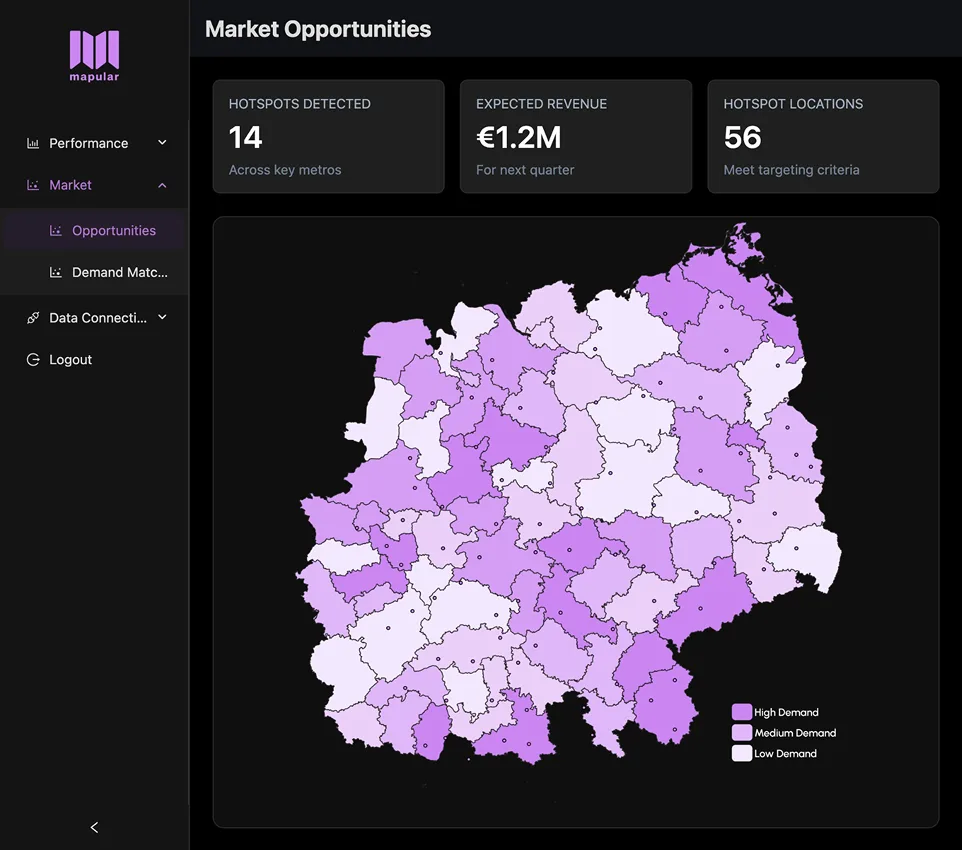
Das wertvollste Ergebnis der Wettbewerbsdichteanalyse ist eine Lückenkarte: eine geografische Ansicht, die zeigt, wo die Nachfrage das Angebot übersteigt. Diese Lücken stellen die höchstpriorisierten Gebiete für die Franchise-Expansion dar, weil sie nachgewiesene Nachfrage mit begrenztem Wettbewerb kombinieren.
Für Franchise-Marken, die eine nationale Expansionsstrategie betrachten, erklärt unser Leitfaden zum Opportunity Mapping für aufstrebende Franchise-Marken, wie Sie eine Wettbewerbslückenanalyse in eine priorisierte Gebiets-Roadmap übersetzen.
Franchise-Rekrutierung mit Postleitzahlenberichten unterstützen
Was Franchisenehmer sehen mussen
Ein potenzieller Franchisenehmer geht eine erhebliche finanzielle Verpflichtung ein. Er muss sehen, dass sein Gebiet rentabel ist, und er braucht die Belege klar genug präsentiert, um sie mit Partnern, Kreditgebern und Familienmitgliedern zu teilen, die Teil der Entscheidung sind.
Postleitzahlenberichte erfüllen diesen Zweck, indem sie Folgendes liefern:
- Klare demografische Zusammenfassungen, die zeigen, wer im Gebiet lebt
- Einkommens- und Kaufkraftdaten, die die Ausgabekapazitat validieren
- Wettbewerbskontext, der die Marktlandschaft erklart
- Nachfrageindikatoren, die bestehendes Interesse an der Kategorie zeigen
- Vergleichsdaten, die zeigen, wie das Gebiet im Vergleich zum Netzwerkdurchschnitt abschneidet
Vertrauen durch Transparenz aufbauen
Gespräche zur Franchise-Rekrutierung verbessern sich deutlich, wenn sie durch Daten gestützt werden. Statt Kandidaten zu bitten, allgemeinen Marktbeschreibungen zu vertrauen, können Sie ihnen spezifische, überprüfbare Informationen über ihr Gebiet zeigen. Diese Transparenz baut Vertrauen auf, reduziert Zögerlichkeit und verkürzt den Entscheidungszyklus.
Postleitzahlenberichte helfen Franchisenehmern auch, die Chance gegenüber ihren eigenen Stakeholdern zu kommunizieren. Ein Kreditgeber, der einen Franchise-Kreditantrag prüft, möchte Marktdaten sehen, die die Umsatzprognosen unterstützen. Ein Ehepartner möchte verstehen, warum dieses Gebiet und nicht ein anderes die richtige Investition ist. Klare, datengetriebene Berichte machen diese Gespräche produktiv.
Mehrere Gebiete vergleichen
Wachsende Marken bewerten häufig mehrere Gebiete gleichzeitig. Franchisenehmer wählen möglicherweise zwischen zwei oder drei Optionen, oder Franchise-Entwicklungsteams planen Gebiete für eine sequenzielle Einführung.
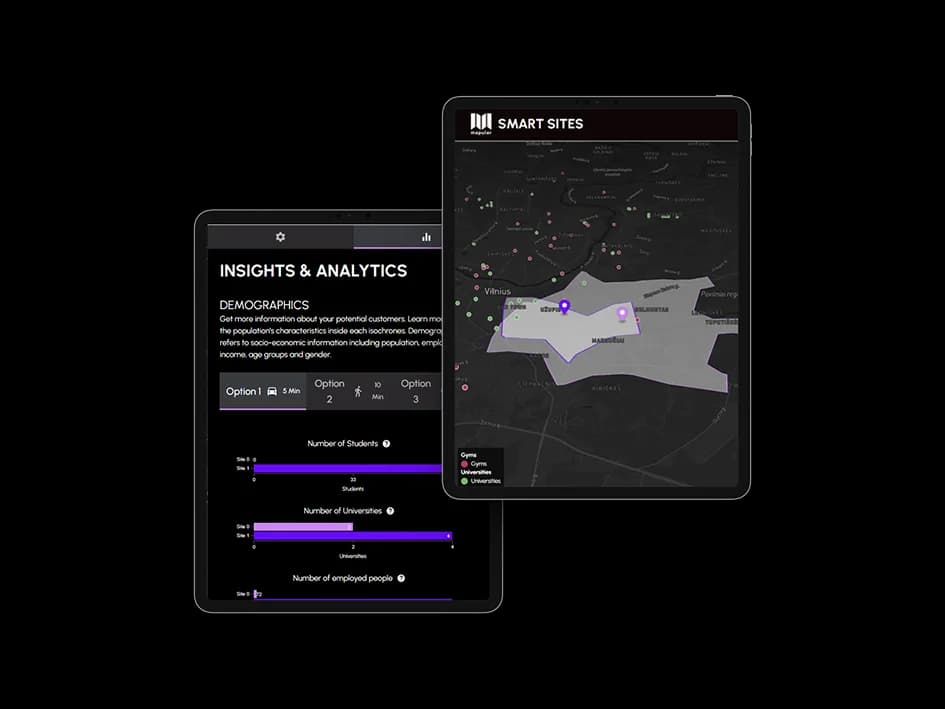
Postleitzahlen-Insights ermöglichen einen direkten Vergleich über jede Dimension: Bevölkerung, Einkommen, Wettbewerbsdichte, Nachfragesignale und den Gesamtgebietsscore. Das verwandelt eine schwierige, unklare Entscheidung in ein strukturiertes Gespräch, das auf konsistenten Daten basiert.
Fazit
Postleitzahlen-Insights transformieren die Franchise-Gebietsplanung von einer Übung in Intuition zu einem disziplinierten, evidenzbasierten Prozess. Sie bieten die Granularität, die Analysen auf Metropolebene vermissen lassen, die Nachfragevalidierung, die Demografie allein nicht leisten kann, und die Konsistenz, die wachsende Franchise-Netzwerke benötigen, wenn sie über Regionen und Teammitglieder hinweg skalieren.
Für wachsende Franchise-Marken zahlt sich die Investition in Gebietsanalysen auf Postleitzahlenebene in jeder Phase aus: stärkere Gebietsauswahl, überzeugtere Franchisenehmer, schnellere Rekrutierungszyklen und ein transparenter Prozess, der Vertrauen bei allen beteiligten Stakeholdern aufbaut.
Wenn Sie sehen möchten, wie Postleitzahlen-Insights und Opportunity Mapping auf Ihr Franchise-Netzwerk anwendbar sind, vereinbaren Sie ein Gespräch mit unserem Team, und wir gehen Ihre spezifische Geografie gemeinsam durch.