In der heutigen wettbewerbsintensiven Einzelhandelslandschaft müssen Verbrauchermarken innovative Wege finden, um mit ihren Kunden in Kontakt zu treten -- online wie offline. Eines der wirkungsvollsten Instrumente dafür ist ein leistungsfähiger, markenkonformer Store Locator. Bei Mapular haben wir aus erster Hand erfahren, wie ein durchdacht gestalteter Store Locator die Kundenfrequenz in Geschäften steigern, das Kundenerlebnis verbessern und wertvolle Erkenntnisse für strategische Entscheidungen liefern kann. Dennoch behandeln viele Marken ihren Store Locator als Nebensache -- eine einfache Karte, eingebettet auf einer selten besuchten Seite. Dieser Ansatz lässt erhebliches Umsatz- und Erkenntnispotenzial ungenutzt.
Die wichtigsten Erkenntnisse
- Ein Store Locator ist ein strategisches Asset, das messbaren ROI durch mehr Kundenfrequenz, höhere Konversionsraten und reichhaltigere Kundendaten erzielt.
- Die von Ihrem Store Locator erfassten Analysedaten können Nachfragemuster aufdecken, Bestandsentscheidungen informieren und Marketingausgaben auf regionaler Ebene steuern.
- DSGVO-konforme First-Party-Suchdaten aus Ihrem Locator werden mit dem Verschwinden von Third-Party-Cookies immer wertvoller.
- Nahtlose Integration mit Shopify und Unterstützung für OpenStreetMap, Mapbox und Google Maps bedeutet, dass die Implementierung kein dediziertes Entwicklerteam erfordert.
- Individuelles Branding, Mobile-Optimierung und individuelle Filialseiten sind die Merkmale, die leistungsfähige Locators von einfachen Karten-Widgets unterscheiden.
Warum ein Store Locator wichtig ist
Ein Store Locator ist mehr als nur eine Karte mit Markierungen. Er ist ein strategisches Asset, das die Bilanz einer Marke erheblich beeinflussen kann. Für Verbrauchermarken, die über Händler verkaufen, ist der Store Locator häufig der einzige Punkt, an dem Online-Interesse zu einem Offline-Besuch wird. Wenn ein Kunde nach "Wo kann ich kaufen" sucht, ist der Locator der Ort, an dem diese Customer Journey entweder gelingt oder scheitert. Hier ist, warum jede Verbrauchermarke einen leistungsfähigen Store Locator priorisieren sollte.
Verbessertes Kundenerlebnis
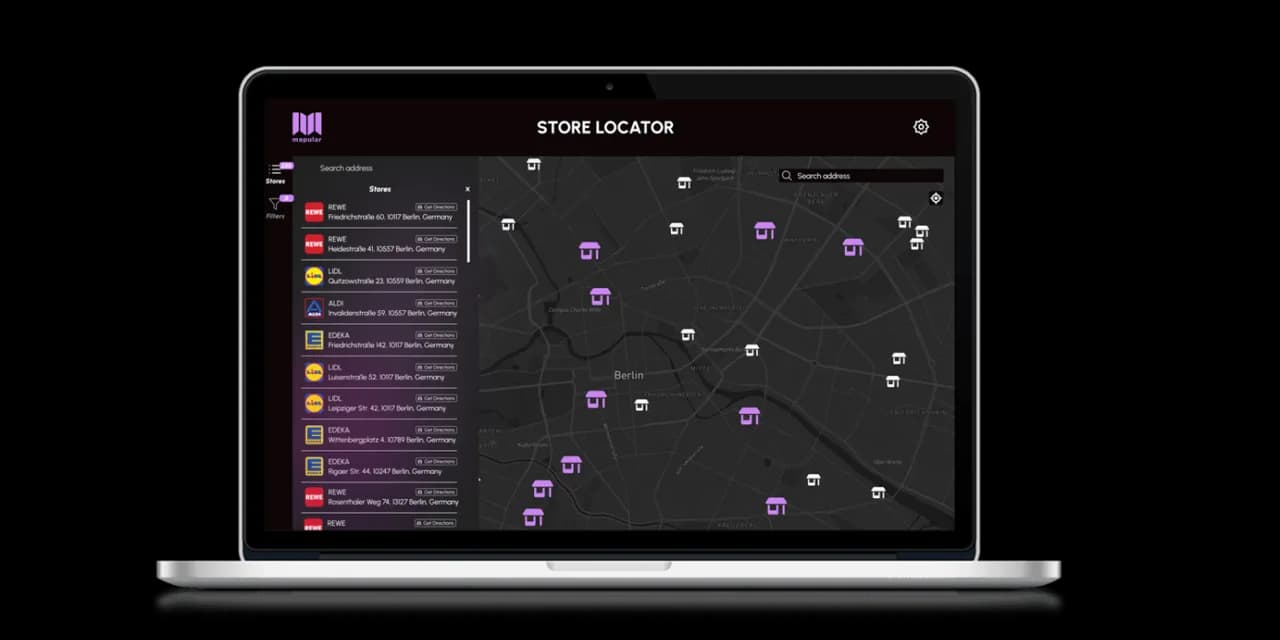
Ein benutzerfreundlicher Store Locator vereinfacht das Auffinden nahegelegener Einzelhandelsstandorte. Kunden können einfach nach Geschäften suchen, Ergebnisse nach ihren Präferenzen filtern und detaillierte Informationen wie Öffnungszeiten, Kontaktdaten und Produktverfügbarkeit abrufen. Dieser Komfort schlägt sich in einem besseren Einkaufserlebnis nieder und fördert Kundenbindung und Wiederholungskäufe.
Stellen Sie sich die Reibung vor, die entsteht, wenn ein Kunde Ihr Produkt möchte, aber keinen Händler in der Nähe schnell finden kann. Verbraucher, die eine schlechte "Wo kaufen"-Erfahrung machen, wechseln eher zu einem Wettbewerbsprodukt, das leichter zu finden ist. Ein schneller, präziser und visuell ansprechender Locator beseitigt diese Reibung vollständig.
Über die Basissuche hinaus ermöglichen fortschrittliche Locators das Filtern nach Produktkategorie, die Prüfung von Echtzeit-Bestandsniveaus und sogar die Buchung von Terminen im Geschäft. Diese Funktionen verwandeln ein passives Suchtool in einen aktiven Einkaufsassistenten, der den Kunden zum Kauf führt.
Gesteigerte Kundenfrequenz in Geschaften
Durch die Bereitstellung genauer und aktueller Informationen zu Filialstandorten können Marken mehr Kundenfrequenz in ihren stationären Geschäften generieren. Ein dynamischer Store Locator kann auch Sonderaktionen oder Veranstaltungen an bestimmten Standorten hervorheben und Kunden dazu motivieren, die Marke offline zu besuchen und mit ihr zu interagieren.
Der Zusammenhang zwischen Locator-Nutzung und Geschäftsbesuchen ist messbar. Marken, die Mapulars Analytics nutzen, haben "Wegbeschreibung"-Klicks verfolgt und mit Point-of-Sale-Daten korreliert, um Konversionsraten von Locator-Suchen zu Käufen im Geschäft zu schätzen. Für viele Verbrauchermarken generiert die Locator-Seite mehr zuordenbaren stationären Umsatz pro Besuch als jede andere Seite der Website -- ausgenommen die Produktdetailseite selbst.
Werbehinweise innerhalb des Locators, wie "Neue Kollektion an diesem Standort" oder "In Ihrer Nähe verfügbar", erhöhen zusätzlich die Wahrscheinlichkeit, dass eine Suche in einen Besuch umgewandelt wird. In Kombination mit Consumer Analytics-Daten können Marken sogar personalisieren, welche Aktionen basierend auf regionalen Nachfragemustern angezeigt werden.
Nahtlose Omnichannel-Integration
Ein Store Locator verbindet Online- und Offline-Kanäle und unterstützt die Omnichannel-Strategie einer Marke. Er hilft, Kunden von der digitalen Entdeckung zum Kauf im Geschäft zu führen und stellt ein konsistentes Markenerlebnis über alle Berührungspunkte hinweg sicher. Diese nahtlose Integration ist in der heutigen Einzelhandelsumgebung entscheidend, in der Verbraucher Flexibilität und Komfort erwarten.
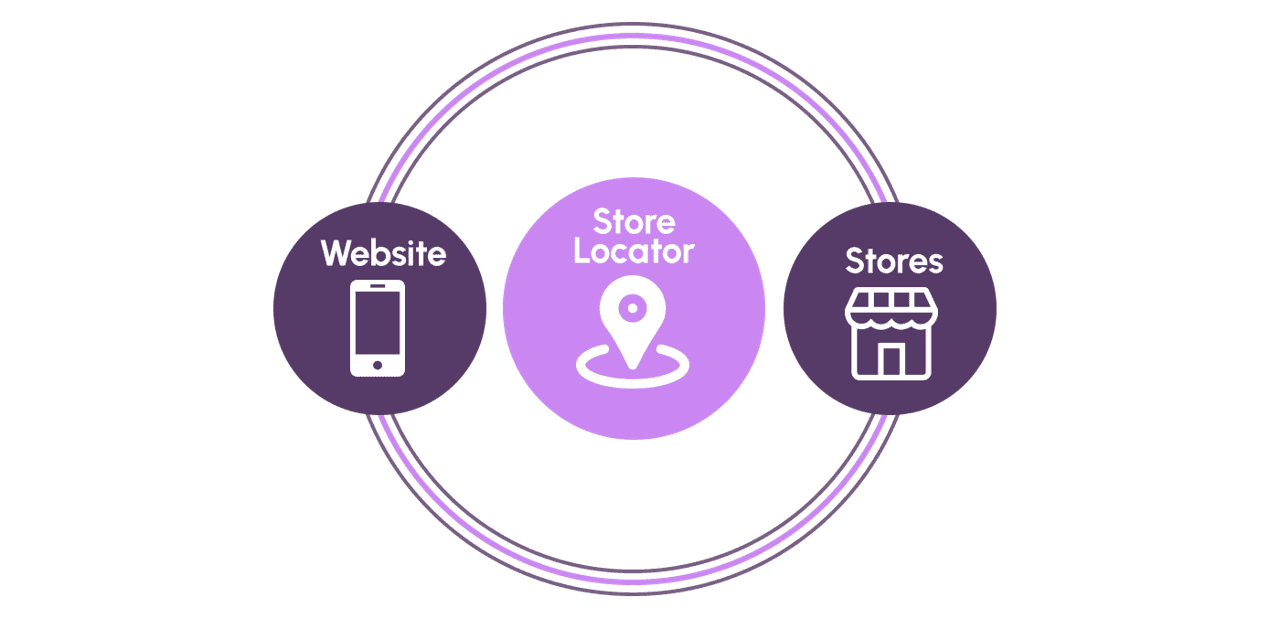
Moderne Käufer folgen selten einem linearen Weg. Sie entdecken Ihre Marke möglicherweise auf Instagram, recherchieren Produkte auf Ihrer Website, prüfen auf Ihrem Locator, wo sie kaufen können, und betreten dann ein Geschäft eines Handelspartners. Ein leistungsfähiger Locator stellt sicher, dass die Übergabe zwischen jedem dieser Schritte sich bewusst und markentypisch anfühlt. Wenn der Locator nativ in Ihren Shopify-Store eingebettet ist, anstatt als Drittanbieter-Iframe geladen zu werden, bleiben Kunden in Ihrem Markenökosystem. Für einen tieferen Einblick in die Shopify-App-Landschaft lesen Sie unseren Leitfaden zu den besten Store Locator-Apps für Shopify, oder werfen Sie einen Blick auf unseren Vergleich Mapular vs. SC Store Locator für einen detaillierten Blick auf die Analytics-Fähigkeiten.
Wertvolle Geo-Analytics-Erkenntnisse
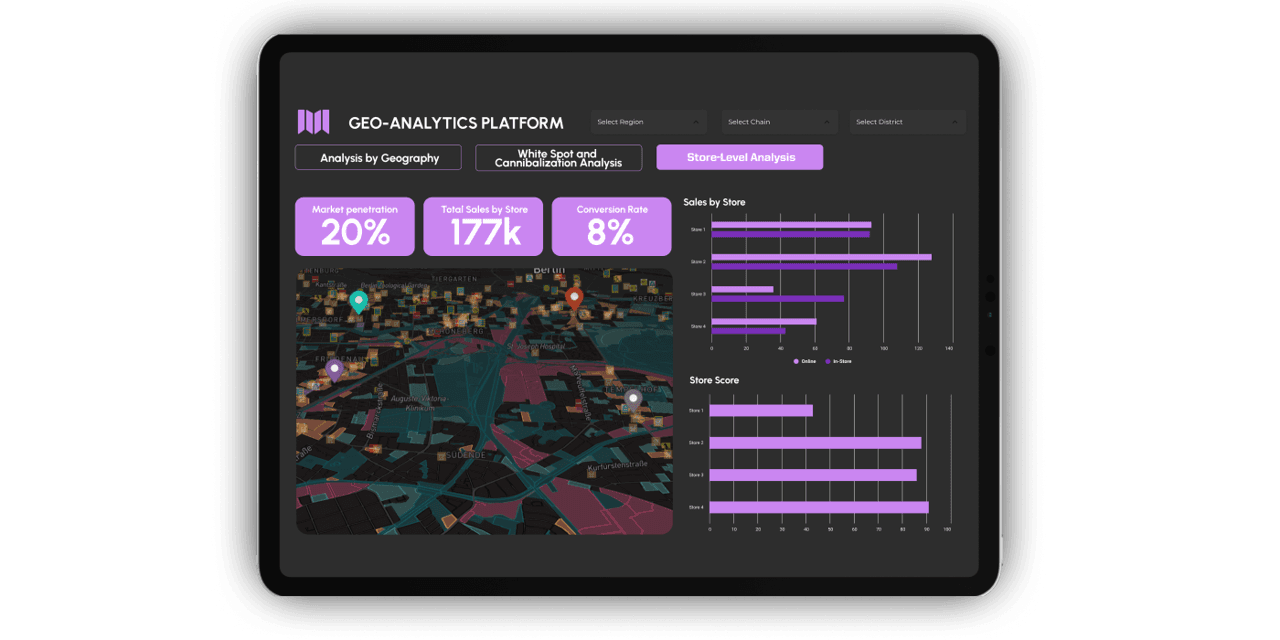
Über die Kundenführung hinaus liefert ein Store Locator unschätzbare Daten zum Kundenverhalten: welche Standorte am häufigsten gesucht werden, Spitzenzeiten der Suche und die geografische Verteilung Ihres Publikums. Diese Erkenntnisse können Entscheidungen zu Filialstandorten, Bestandsmanagement und Marketingstrategien informieren und Marken letztlich dabei helfen, ihre Betriebsabläufe zu optimieren und ihre Kunden besser zu bedienen.
Suchanalysen als Nachfragesignal
Jede Suchanfrage, die in Ihren Store Locator eingegeben wird, ist ein Nachfragesignal. Wenn Hunderte von Nutzern in einer Region, in der Sie eine begrenzte Einzelhandelsabdeckung haben, nach Ihrem Produkt suchen, sagen Ihnen diese Daten genau, wo eine Expansion oder neue Einzelhandelspartnerschaften die größte Wirkung hätten. Auf Postleitzahlenebene aggregiert, werden Locator-Suchdaten zu einem der direktesten Indikatoren für ungedeckte Verbrauchernachfrage, die einer Marke zur Verfügung stehen.
ROI-Kennzahlen, die es zu verfolgen gilt
Um den Business Case für die Investition in einen besseren Store Locator zu untermauern, verfolgen Sie diese Schlüsselkennzahlen:
- Suche-zu-Wegbeschreibung-Rate: Der Prozentsatz der Locator-Besucher, die auf "Wegbeschreibung" klicken. Ein gut optimierter Locator erreicht typischerweise Raten über 30 %.
- Geografische Abdeckungslücken: Regionen mit hohem Suchvolumen, aber wenigen oder keinen gelisteten Einzelhändlern -- das repräsentiert ungenutzte Nachfrage.
- Wiederholte Suchrate: Wie oft Nutzer zum Locator zurückkehren -- ein Indikator für fortlaufende Kaufabsicht.
- Verweisquellenanalyse: Zu verstehen, ob der Locator-Traffic aus organischer Suche, bezahlter Werbung oder Social Media stammt, hilft Ihnen, das Marketingbudget effektiver einzusetzen.
Diese Kennzahlen liefern ein klares, quantifizierbares Bild des Beitrags des Locators zum Umsatz und können weitere Investitionen in Design, Funktionen und Datenanreicherung rechtfertigen.
DSGVO-Konformität und First-Party-Daten
Mit dem schrittweisen Ende von Third-Party-Cookies und verschärften Datenschutzbestimmungen werden die First-Party-Daten, die Ihr Store Locator generiert, immer wertvoller. Locator-Suchdaten sind von Natur aus datenschutzfreundlich: Sie erfassen aggregierte Nachfragesignale auf geografischer Ebene, ohne persönliche Identifikatoren zu benötigen.
Dennoch sollten Marken sicherstellen, dass ihre Locator-Implementierung den Anforderungen der DSGVO und des CCPA entspricht. Das bedeutet: klare Einwilligungsmechanismen vor der Aktivierung der Geolokalisierung, Anonymisierung der Suchdaten auf individueller Ebene und Speicherung der Daten in konformer Infrastruktur. Die Plattform von Mapular ist mit diesen Anforderungen von Grund auf konzipiert, sodass Marken wertvolle geografische Erkenntnisse erfassen können, ohne sich regulatorischen Risiken auszusetzen.
Nahtlose Integration mit Shopify und führenden Kartenplattformen
Unsere Store Locators sind darauf ausgelegt, sich direkt mit beliebten E-Commerce-Plattformen wie Shopify zu integrieren, sodass es für Marken einfach ist, ihre Online-Präsenz zu verbessern und kanalübergreifend mit Kunden in Kontakt zu treten. Zusätzlich bieten wir Flexibilität bei der Kartenlösung. Jeder Tarif enthält eine kostenlose OpenStreetMap-Basiskarte, die ohne API-Schlüssel funktioniert. Händler können optional ihren eigenen Mapbox- oder Google Maps-API-Schlüssel für zusätzliche Kartenstile und Funktionen verbinden.
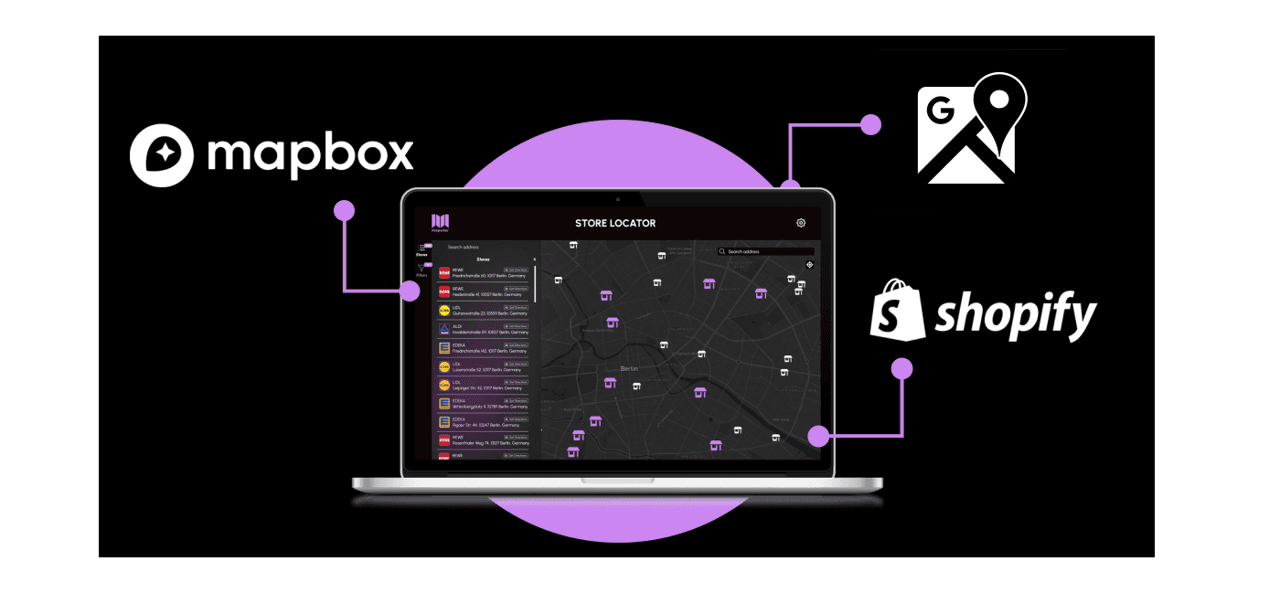
Die Integration muss kein Großprojekt sein. Mit der Shopify-App von Mapular können Marken innerhalb von weniger als einer Stunde von der Installation zu einem vollständig gebrandeten, live geschalteten Store Locator gelangen. Google Sheets Import ermöglicht das Hinzufügen von Standorten per vorbereiteter Tabelle mit automatischem Geocoding; alternativ stehen CSV-Upload und manuelle Eingabe zur Verfügung. Die Google Business Profile-Synchronisierung hält Öffnungszeiten und Kontaktdaten ohne manuelle Updates aktuell. Für Marken mit Hunderten oder Tausenden von Handelspartnern ist diese Automatisierung unverzichtbar -- veraltete Daten untergraben das Kundenvertrauen schneller als fast jedes andere Problem.
Praxisbeispiel: Black Buffalo
Nehmen Sie Black Buffalo als Beispiel. In Partnerschaft mit Mapular implementierten sie einen individuell gebrandeten Store Locator, der ihre Produkte mittlerweile in über 12.000 Geschäften in den USA aufführt. Dieses Tool steigerte nicht nur das Kundenengagement und die Besucherzahlen in Geschäften, sondern lieferte Black Buffalo auch wichtige Erkenntnisse über ihre Marktpräsenz und Kundenpräferenzen.
Wie Zach Miller, VP of Digital Consumer Experience bei Black Buffalo, anmerkt:
"Der individuelle Store Locator, den ihr Team für Black Buffalo entwickelt hat, ist wirklich der beste, den ich in der Branche gesehen habe -- und er hat sofort ROI in Bezug auf Kundenengagement, Einzelhandelsfrequenz und Branchenaufmerksamkeit erzielt."
Das Beispiel Black Buffalo veranschaulicht einen breiteren Punkt: Für Marken mit großer Einzelhandelspräsenz ist der Store Locator kein Nice-to-have. Er ist Kerninfrastruktur, die digitale Marketingausgaben mit den Ergebnissen im stationären Handel verbindet.
Implementierungstipps für maximale Wirkung
Um das Potenzial eines Store Locators voll auszuschöpfen, sollten Marken Folgendes berücksichtigen:
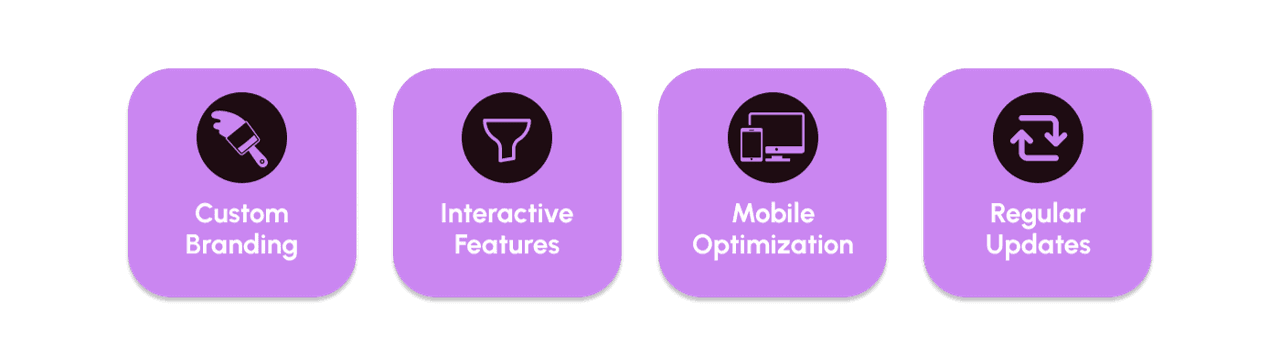
Individuelles Branding
Stellen Sie sicher, dass der Store Locator zur visuellen Identität und Tonalität Ihrer Marke passt. Farben, Schriften, Kartenstil und selbst die Sprache in Suchaufforderungen sollten sich als natürliche Erweiterung Ihrer Website anfühlen. Ein stimmiges Erlebnis stärkt das Markenvertrauen und hält Kunden engagiert.
Interaktive Funktionen
Integrieren Sie dynamische Suchfilter, interaktive Karten und detaillierte Filialinformationen, um die Benutzerfreundlichkeit zu verbessern. Lassen Sie Kunden nach Produktlinie, Servicetyp oder Geschäftsformat filtern. Je relevantere Informationen Sie anzeigen, desto sicherer fühlt sich der Kunde, den Weg ins Geschäft anzutreten.
Mobile Optimierung
Da die Mehrheit der "Wo kaufen"-Suchen auf Mobilgeräten stattfindet, ist ein mobiloptimierter Locator unverzichtbar. Das bedeutet: schnelle Ladezeiten, berührungsfreundliche Kartensteuerung, Tippen-zum-Anrufen-Buttons und automatische Geolokalisierung, um nahegelegene Ergebnisse anzuzeigen, ohne dass der Nutzer eine Adresse eingeben muss.
Individuelle Filialseiten
Erwägen Sie die Implementierung individueller Filialseiten für jeden Einzelhandelsstandort. Diese dedizierten Seiten werden von Suchmaschinen indexiert, was bedeutet, dass sie Long-Tail-Suchanfragen mit lokalem Bezug erfassen, die ein einfaches Karten-Widget auf einer Seite schlicht nicht leisten kann. Jede Seite kann einzigartige Inhalte, Wegbeschreibungen, Fotos und sogar lokale Aktionen enthalten.
Regelmäßige Aktualisierungen
Halten Sie die Filialdaten aktuell -- einschließlich Öffnungszeiten, Aktionen und Lagerverfügbarkeit --, um Genauigkeit und Kundenvertrauen aufrechtzuerhalten. Die Automatisierung von Datensynchronisierungen aus dem Google Business Profile oder Ihren internen Systemen eliminiert die manuelle Arbeit, die zu veralteten Daten führt.
Fazit
Einen leistungsfähigen Store Locator in Ihre Digitalstrategie zu integrieren, ist kein Luxus mehr. Es ist eine Notwendigkeit. Für Verbrauchermarken, die das Kundenengagement steigern, die Frequenz in Geschäften erhöhen und umsetzbare Erkenntnisse gewinnen möchten, ist ein gut umgesetzter Store Locator ein echter Wettbewerbsvorteil. Die Analytics, die er generiert, die First-Party-Daten, die er erfasst, und das nahtlose Omnichannel-Erlebnis, das er ermöglicht, machen ihn zu einer der Investitionen mit dem höchsten ROI, die eine Marke in ihre digitale Infrastruktur tätigen kann.
Mit nahtlosen Integrationsfähigkeiten für Plattformen wie Shopify und flexiblen Kartenoptionen über OpenStreetMap, Mapbox oder Google Maps war die Einstiegsbarriere noch nie so niedrig. Bei Mapular sind wir darauf spezialisiert, individuelle, markengerechte Store Locators zu entwickeln, die Ergebnisse liefern. Ob Sie eine neue Lösung implementieren oder eine bestehende optimieren möchten -- unser Team steht Ihnen zur Seite.
Bereit, Ihr Kundenerlebnis mit einem leistungsstarken Store Locator zu verbessern? Kontaktieren Sie uns noch heute, um loszulegen.